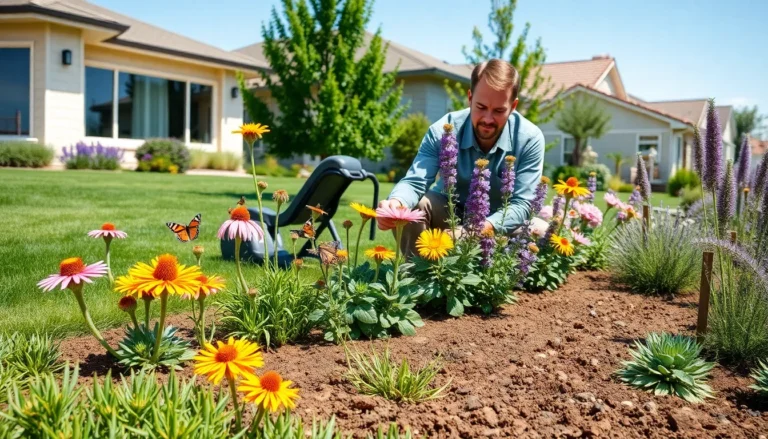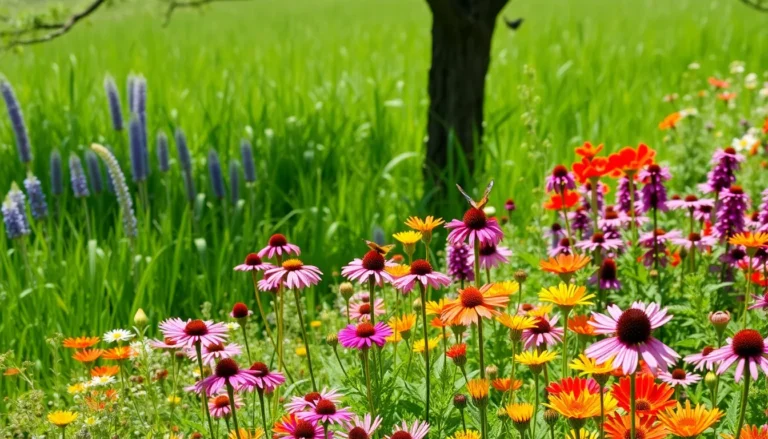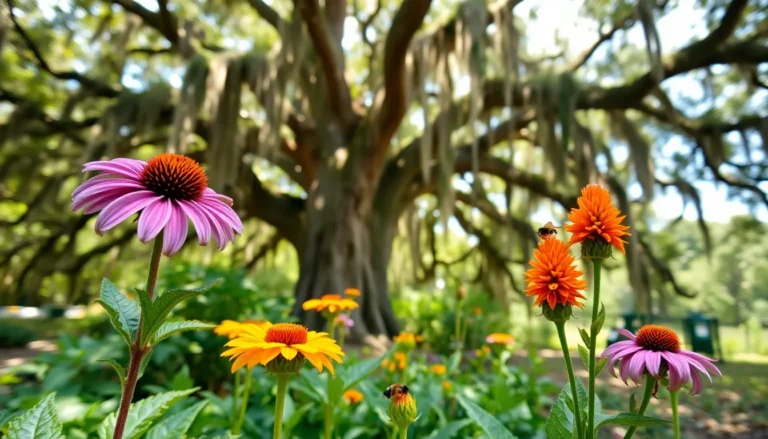



Let’s face it, California has the best plants, right? I mean, who wouldn’t want a garden filled with vibrant indigenous flora? Not only do these beauties add color to our backyards, but they also support local wildlife and are ever so drought-tolerant. If you’re ready to transform your garden into a native paradise, join us as we explore a captivating list of California native plants, complete with pictures to spark your imagination. Let’s dig in.
Importance Of Native Plants
When we think about gardening, the first thought usually jumps to how pretty something is. But let’s not overlook the remarkable importance of native plants. Native species have evolved in local environments, making them perfectly suited to thrive without the incessant fuss of pampering. They require fewer resources, less water, and minimal chemical inputs, which is great for both your wallet and the planet.
Also, these plants create essential habitats for insects, birds, and other wildlife, forging a flourishing ecosystem that contrasts beautifully with manicured lawns. A garden filled with native plants can not only reduce our carbon footprint but also enhance the biodiversity around us. It’s like building a refuge for nature, and let’s be honest, who doesn’t want to be a superhero for the environment?
Top California Native Plants
Let’s take a closer look at some of the top California native plants that can elevate our outdoor spaces:
1. California Poppy
Ah, the California poppy. This radiant flower, with its bright orange petals, is not just a state symbol: it’s a garden superstar. Blooming from February to September, it brings joy and color, attracting bees and butterflies. Why wouldn’t we want a splash of these in our flower beds?
2. Blue Eyed Grass
Don’t let the name mislead you: Blue Eyed Grass is not a grass but a stunning member of the iris family. Its star-shaped blue flowers are perfect for adding excitement to our native gardens. They thrive in various soils and are deserts in bloom. Imagine a cluster of these delightful flowers brightening up a patch of earth.
3. Manzanita
Manzanita isn’t just a pretty face. This evergreen shrub boasts smooth red-brown bark and a unique appeal. It loves the dry, rocky soils of California and requires very little watering. Plus, it supports local wildlife with its berries, giving it an A-plus on our must-have list.
4. Coast Live Oak
This stately tree is the backbone of many California ecosystems. With its sprawling branches, the Coast Live Oak provides shade, habitat, and acorns for wildlife. We can grow our own little forest while providing shelter and support for all kinds of critters. Win-win.
5. Toyon
It’s hard not to fall in love with Toyon during the holidays when its red berries light up the landscape. This shrub adapts well to the California climate and is a relative of the hawthorn. Birds adore its berries, making it a perfect addition to attract wildlife to our yards.
6. California Lilac
Also known as Ceanothus, the California Lilac is a showstopper. With clusters of brilliant blue flowers, it adds instant charm to any garden. It blooms in early spring and attracts lots of pollinators. Besides, these beauties are drought-resistant, making them a sensible choice for our sustainable gardens.
Tips For Incorporating Native Plants In Your Garden
Now that we know what some amazing native plants are, let’s chat about how to incorporate them into our gardens effortlessly.
Choose the Right Location: Different native plants thrive in various conditions. Consider sunlight, shade, and soil type when planning your garden layout.
Group Similar Plants: Planting in groups can create a more natural look and mimic the plant’s native environment. It also allows pollinators to find food easily.
Plan for Succession: Opt for plants that bloom at different times throughout the year. This way, we can enjoy a colorful landscape from season to season.
Mulch, Don’t Disturb: A layer of mulch helps retain soil moisture while reducing weed competition. It’s an easy step that does wonders for our plants.
Let Nature Take Its Course: Embrace a little chaos. Allow some plants to self-seed or spread. This will create a dynamic garden that continually evolves.
By following these simple tips, we can turn our gardens into thriving ecosystems while enjoying the beauty and diversity of California’s native plants.