


If you’re looking to spice up your garden while also giving Mother Nature a hand, then Minnesota native plants might just be your green thumb’s new best friend. Not only do these hardy beauties thrive in our distinct climate, but they also play a critical role in supporting local ecosystems. Whether you’re an avid gardener or just testing the waters, understanding the relevance of native flora will help us all grow together, pun intended.
Importance Of Native Plants in Minnesota
Biodiversity and Ecosystem Health
Native plants are like the backbone of Minnesota’s ecosystems. They provide essential habitats for wildlife, stabilize our soil, and even contribute to clean water. Without them, our local biodiversity could face some serious challenges. When we plant natives, we’re not just enhancing our gardens, we’re creating thriving communities of life that support bees, butterflies, and beyond. In fact, studies have shown that areas rich in native flora boast higher levels of species diversity. Just think about that next time you pass a patch of wildflowers.
Benefits For Wildlife
When we talk about Ohio’s native plants, we can’t ignore their role as a food source for wildlife. Birds, insects, and mammals rely on these plants for food and shelter, promoting a healthy ecosystem right in our backyards. Imagine your garden bustling with pollinators zipping about while birds serenade you with their tunes. By integrating native plants, we effectively create a haven for our furry and feathered friends, enriching our outdoor spaces immensely.
Top Native Plant Species In Minnesota
Wildflowers
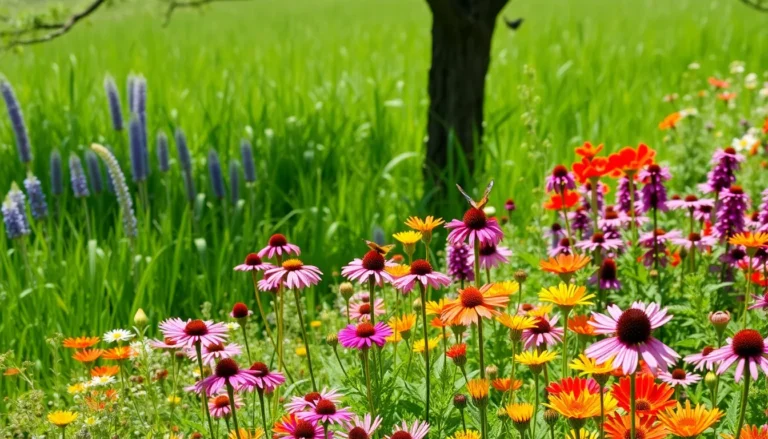
Let’s not beat around the bush: wildflowers are where the magic happens. Some popular choices include the striking purple coneflower and the delicate bloodroot. These beauties not only brighten our landscapes but also attract vital pollinators.
Grasses and Sedges
You might think grasses are purely ornamental, but they offer so much more. Species like little bluestem and prairie dropseed provide vital cover and food for various wildlife, meanwhile creating a stunning backdrop for gardens.
Shrubs and Trees
When it comes to shrubs and trees, consider options like serviceberries and red osier dogwoods. They yield delicious fruits for us and provide shelter for birds. Plus, the autumn colors will take our breath away.
How To Incorporate Native Plants In Your Garden
Designing A Native Plant Garden
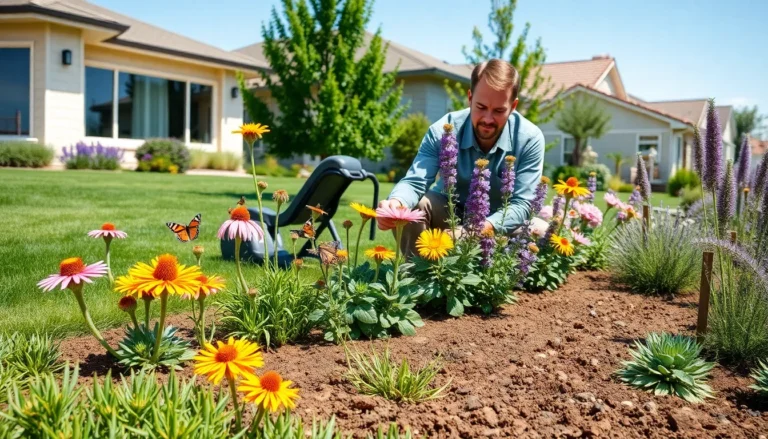
Creating a native plant garden might sound daunting, but it’s easier than it seems. First, we should assess our space, sunlight, soil type, and moisture levels matter. Once we have a plan, it’s time to choose our native plants wisely based on their light and water requirements. Layering taller plants in the back and shorter ones in front creates a vibrant display. Don’t be afraid to mix textures and colors: it’ll enhance our garden’s aesthetic while attracting diverse wildlife.
Care and Maintenance Tips
Proper care is essential for a thriving native garden. Lucky for us, native plants are often more resilient to local pests and climate extremes. But, a little TLC goes a long way. Ensuring adequate watering during dry spells and performing seasonal trims can help maintain their health. Mulching not only reduces weeds but also retains moisture. Plus, regular monitoring can help us catch any issues early, ensuring our plants flourish.